Water Heater Failure Floods: Phoenix Prevention Guide
· By Apache Junction Water Damage
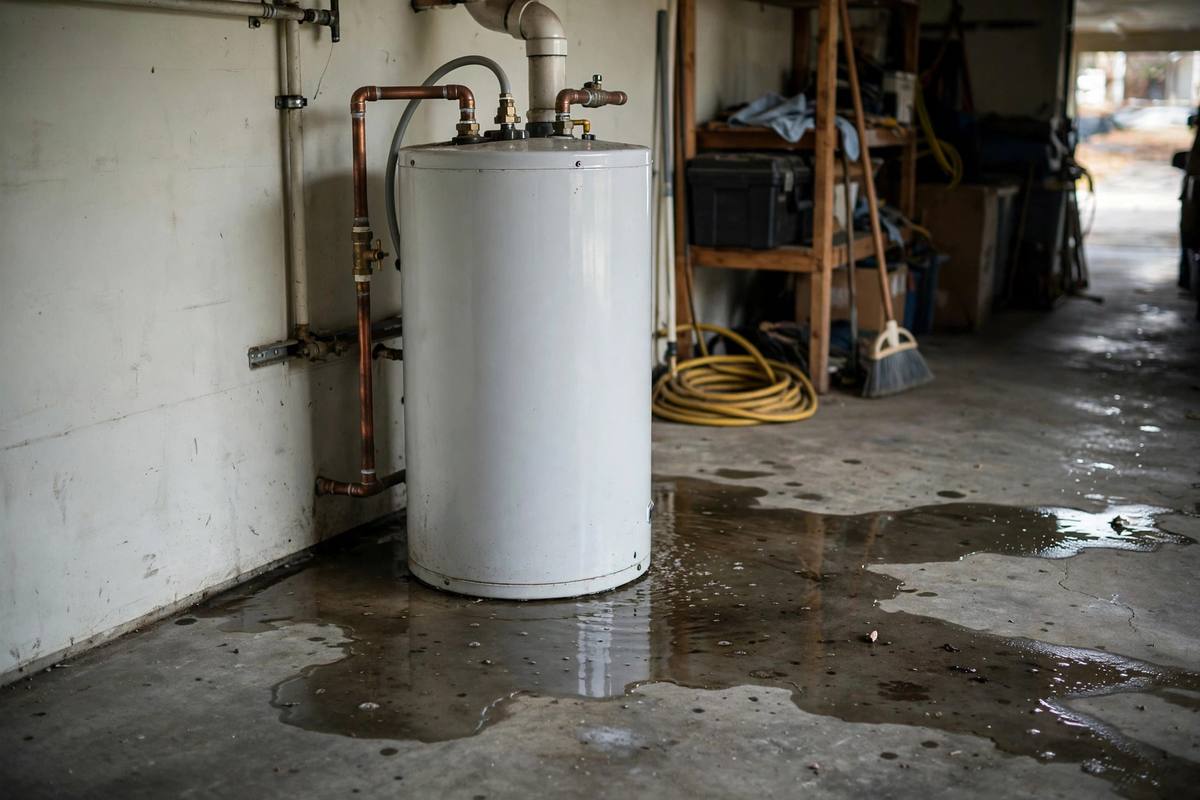
A standard tank water heater holds 40 to 50 gallons, and it is connected to a pressurized supply line that never stops. When the tank rusts through or a fitting fails, the result is not a drip — it is a continuous flood that can soak a garage, laundry room, or hallway in under an hour. In Phoenix, where many units sit in garages baking through 115-degree summers, tanks age faster than owners expect.
Most failures give warning. Here is how to read the signs and what to do before and after a rupture.
Warning Signs Your Water Heater Is Failing
Rusty or discolored hot water
Rust-colored water from hot taps only usually means the tank lining is corroding from the inside. Once the steel goes, the tank goes.
Rumbling, popping, or banging sounds
Sediment baked onto the tank bottom by our hard water superheats and pops as it shifts. Noise means heavy sediment buildup, which accelerates tank wear.
Moisture or small puddles at the base
Even a little water around the base is a red flag. Hairline tank cracks weep before they burst — treat any dampness as a countdown.
Age over 8–12 years
Check the manufacturer label for the install date. Past the decade mark in Arizona conditions, replacement beats waiting for failure.
Fluctuating water temperature
Inconsistent hot water can signal a failing heating element or heavy sediment — both signs the unit is near the end.
Maintenance That Extends Tank Life
Flush a few gallons from the drain valve once or twice a year to clear sediment — our mineral-heavy water makes this the single most valuable maintenance task. Test the temperature-and-pressure relief valve annually by lifting its lever briefly; it should release water then stop. Keep the thermostat at 120°F, which reduces stress on the tank and is safer for households. And inspect the anode rod every few years; this sacrificial rod corrodes so the tank does not, and replacing a spent one buys years of life.
Prevention: Contain the Worst Case
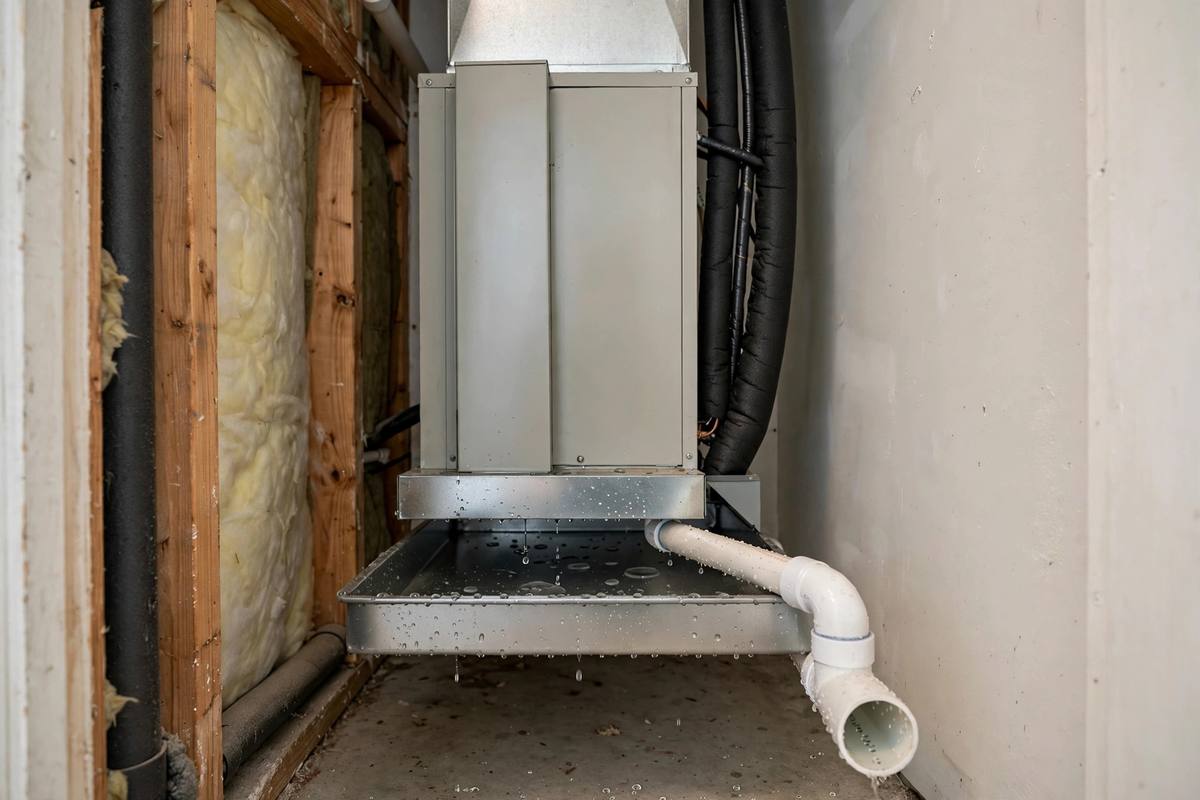
A drain pan under the heater, plumbed to a floor drain or the exterior, catches slow leaks before they spread. An automatic shutoff valve with a leak sensor closes the supply when it detects water — inexpensive compared to a flood. Most importantly, know where your main water shutoff is and make sure the valve actually turns; a corroded shutoff that will not budge is useless in an emergency. Label it so any family member can find it.
If the Tank Bursts
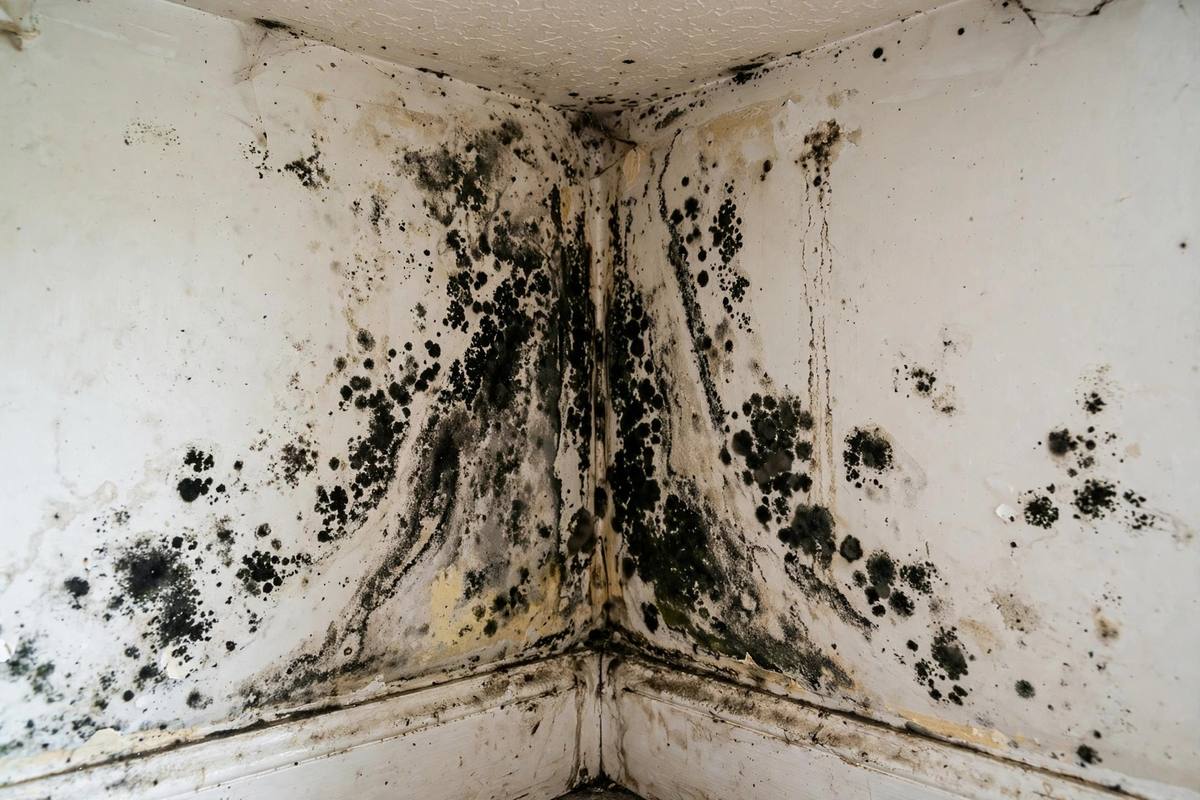
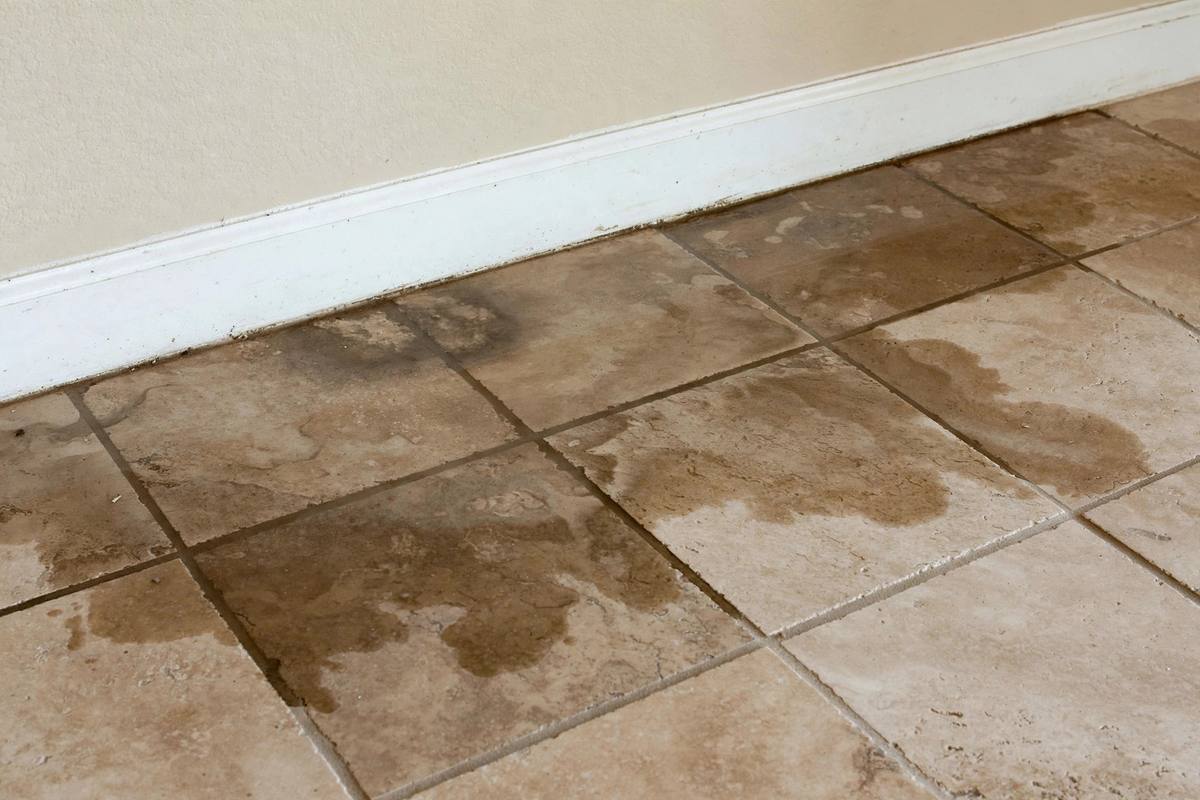
Shut off the water supply to the heater (or the whole house), then kill power to the unit — flip the breaker for electric, or turn the gas valve to pilot/off for gas. Mop up or wet-vac standing water fast, and move belongings out of the wet area. Do not step into deep water around an electric unit until power is confirmed off. Then call for help: soaked drywall, insulation, and flooring need professional extraction and drying to prevent mold, and a plumber will need to replace the unit. Our network provides emergency water extraction and full water damage restoration so the space is dry and safe before the new heater goes in.
Learn more about water damage specialists serving Apache Junction and keep our number where you keep the mop.
Tank vs Tankless: How Leak Risk Compares
When replacement time comes, many Phoenix homeowners consider going tankless — and flood risk is a legitimate part of that decision. A tankless unit holds no stored water, so the catastrophic 50-gallon rupture scenario simply does not exist. What remains is the ordinary risk of any pressurized connection: a failed fitting or supply line can still leak, but the volume is limited to what flows while the leak runs, not an entire tank draining at once.
Tankless is not automatically the right choice for every home — it costs more upfront and may need gas line or electrical upgrades — but from a pure water-damage perspective, eliminating the stored reservoir removes the worst-case failure. Whichever type you choose, the same defenses apply: a drain pan where feasible, an automatic shutoff valve with a leak sensor, and a main shutoff valve that every adult in the home knows how to operate.
Water heater leaking right now? Shut the water off and call (408) 357-2008. We connect you with local providers for rapid extraction and drying across Apache Junction and Phoenix.