Slab Leak Warning Signs in AZ Homes
· By Apache Junction Water Damage
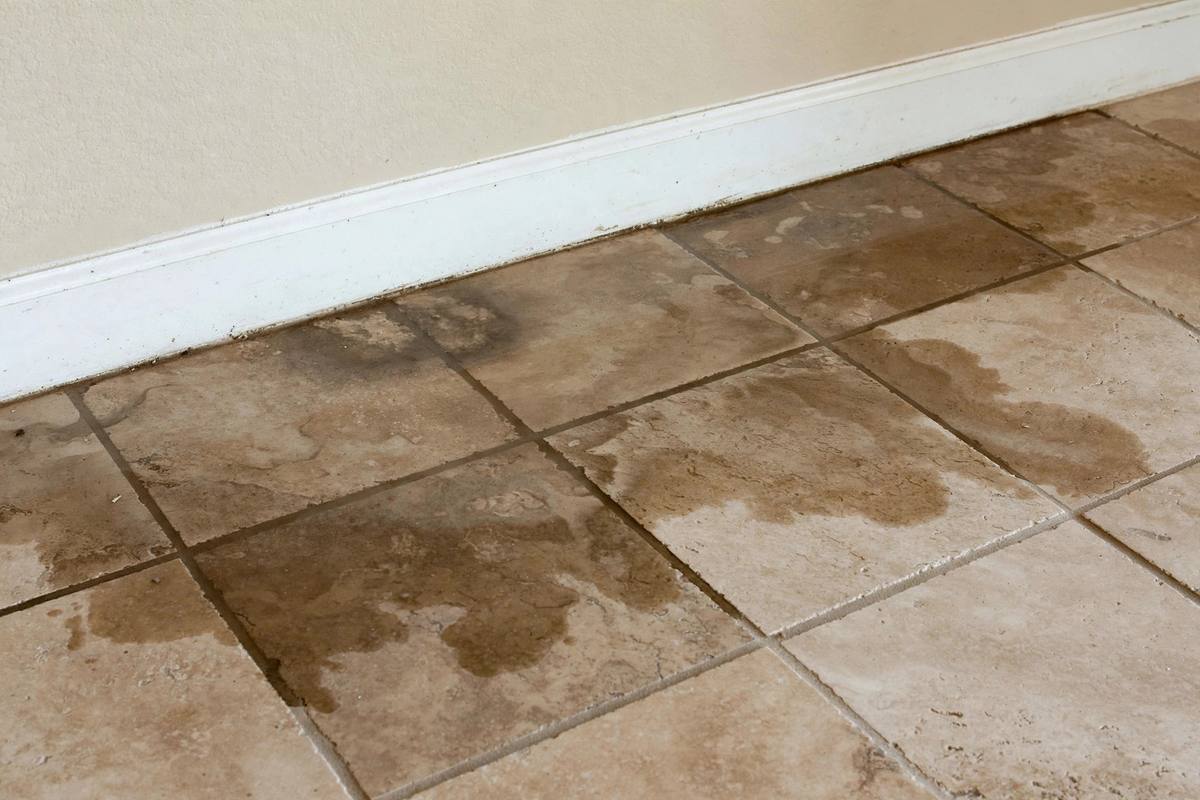
Most Arizona homes are built on concrete slab foundations, with copper or PEX water lines running underneath the slab. When one of those lines springs a leak, water escapes directly into the soil and concrete below your home — out of sight, but far from harmless. A slab leak can run for weeks or months before it is found, eroding soil, cracking the slab, and feeding mold inside walls.
Because you cannot see the pipe, you have to read the symptoms. Here is what to watch for.
What Causes Slab Leaks in Arizona
Our hard water is tough on copper pipe, slowly corroding it from the inside over years. Expansive desert soils shift with moisture changes, stressing pipes where they pass through the slab. Poor installation, abrasion where pipes rub against concrete, and simple age all play a role. Homes built from the 1970s through the early 2000s with copper under the slab are the most common candidates, but no slab home is immune.
7 Warning Signs to Take Seriously
1. A water bill that climbs for no reason
Compare usage month to month. A steady increase with no change in habits — no houseguests, no new landscaping — is the classic first clue of a hidden leak.
2. Warm spots on the floor
Walk barefoot across tile or hard flooring. A distinct warm patch, especially with no heating running, often marks a hot-water line leaking beneath the slab.
3. The sound of running water
Hear water moving when every fixture is off? A slab leak produces a faint hissing or rushing sound, often loudest at night when the house is quiet.
4. Damp carpet, warped flooring, or mildew smells
Moisture wicks up through the slab and into flooring. Unexplained damp spots, buckling laminate, or a musty odor in one area of the house deserve investigation.
5. Low water pressure
A significant leak diverts flow before it reaches your fixtures. If pressure drops in part or all of the house, a broken line is one possible cause.
6. Cracks in walls or flooring
Water eroding soil under the slab can let sections settle unevenly, producing new cracks in tile, stucco, or interior drywall.
7. A constantly running water meter
Turn off every fixture and check the meter. If the dial is still moving, water is going somewhere — and under the slab is a prime suspect.
What to Do Next
Do not jackhammer anything yourself. Start by confirming the leak: shut off the home's main valve and watch the meter, or have a plumber run a pressure test on the lines. Professional slab leak detection uses acoustic listening equipment and thermal imaging to pinpoint the break without tearing up floors at random. Once located, repair options range from a spot repair to rerouting the line overhead — a plumber can advise based on the pipe's condition.
After the plumbing is fixed, the water damage remains: soaked flooring, damp drywall, and moisture trapped in the slab itself. That is where professional water damage repair and structural drying come in, making sure everything is truly dry before new flooring goes down.
Read more from Apache Junction water damage restoration services on protecting slab-built Valley homes.
How Plumbers Pinpoint Slab Leaks Without Tearing Up Floors
Modern leak detection is nothing like the old days of jackhammering on a hunch. Acoustic listening equipment picks up the distinct hiss of pressurized water escaping underground, letting technicians triangulate the break by sound. Thermal imaging cameras reveal the warm plume spreading through the slab from a hot-water leak. And isolating individual lines with pressure tests confirms which run is losing water before any concrete is touched. The result is a repair that opens one targeted section of floor instead of a trench across the room.
Once located, you typically have two repair paths. A spot repair opens the slab at the break and fixes that section of pipe — faster and less invasive, but it leaves the rest of the aging line in place. A reroute abandons the under-slab line entirely and runs new PEX overhead through walls or the attic — more work upfront, but it removes the slab from the equation permanently. For homes with recurring pinhole leaks, rerouting is often the wiser long-term answer, since the same corrosive conditions that caused one leak are working on the rest of the line.
Suspect a slab leak? The sooner it is found, the smaller the repair. Call (408) 357-2008 — we connect you with local providers for detection, drying, and repair across Apache Junction and Phoenix.