Black Mold in Desert Climates: What AZ Homeowners Miss
· By Apache Junction Water Damage
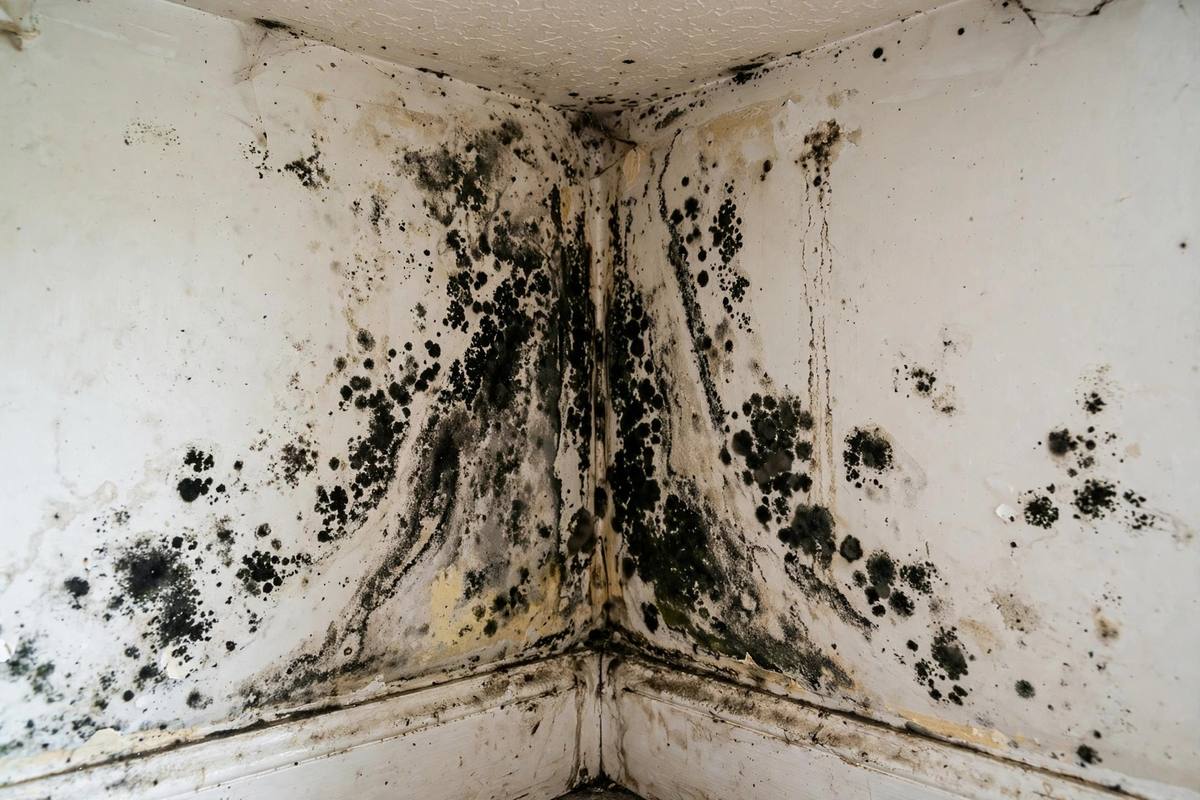
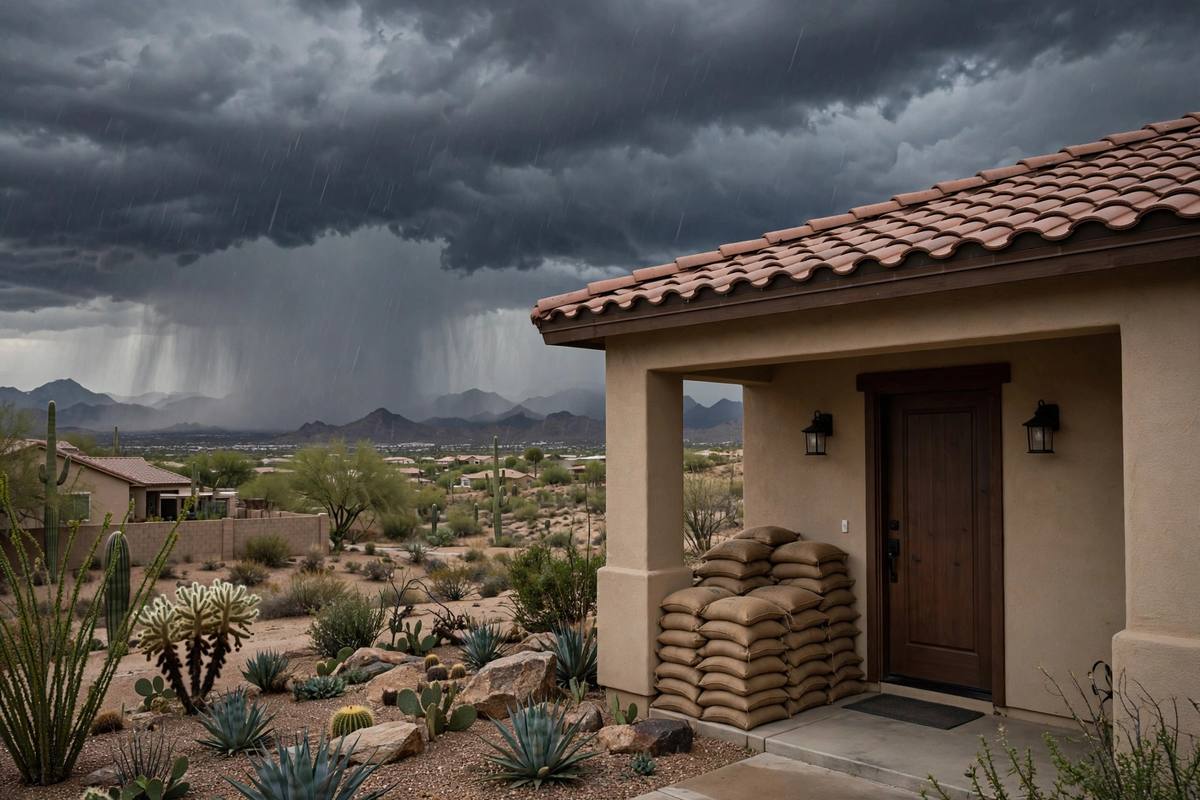
It is a common Arizona myth: the desert is too dry for mold. In reality, mold does not care about the weather outside — it cares about moisture, food, and temperature inside your walls. Give it a slow plumbing leak, a damp patch of drywall, and our warm indoor temperatures, and mold will thrive in an Apache Junction home just as happily as anywhere else.
"Black mold" usually refers to Stachybotrys chartarum, a dark-colored mold that grows on materials rich in cellulose — drywall, wood, and paper backing — after prolonged dampness. Here is what desert homeowners most often miss about it.
Why Mold Grows in Dry Climates
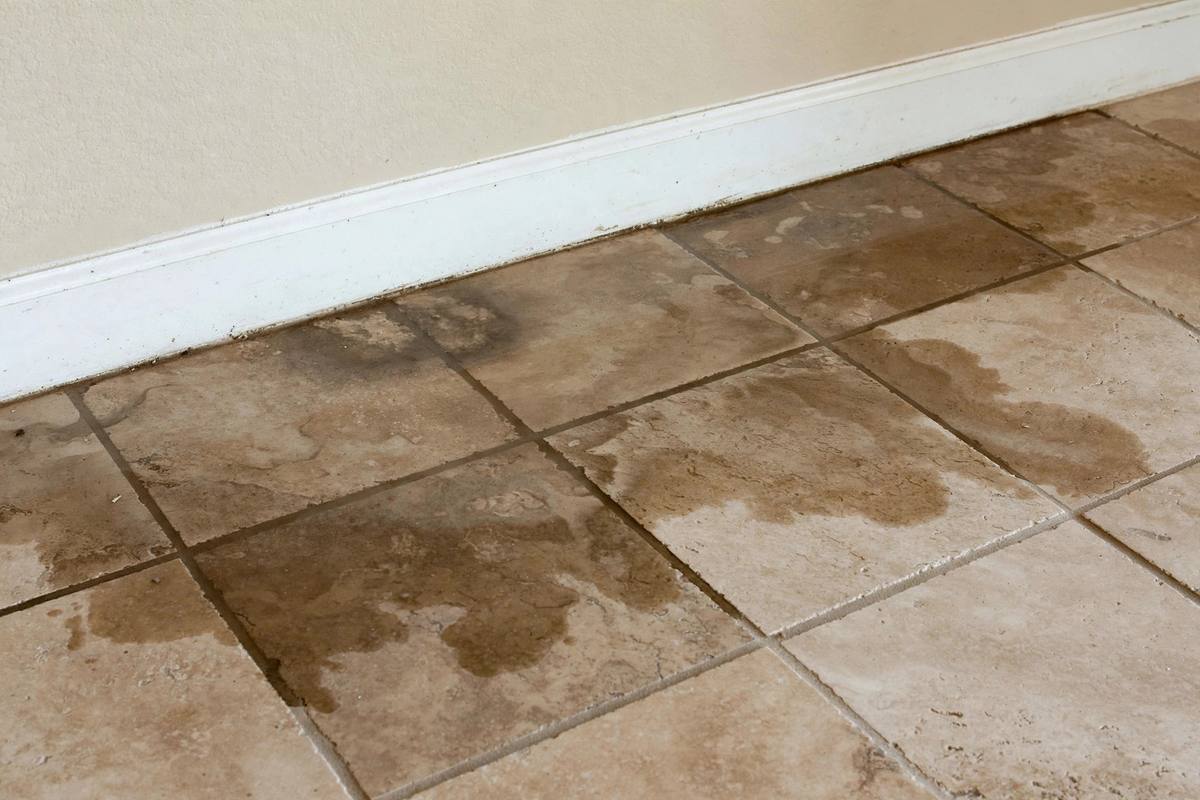
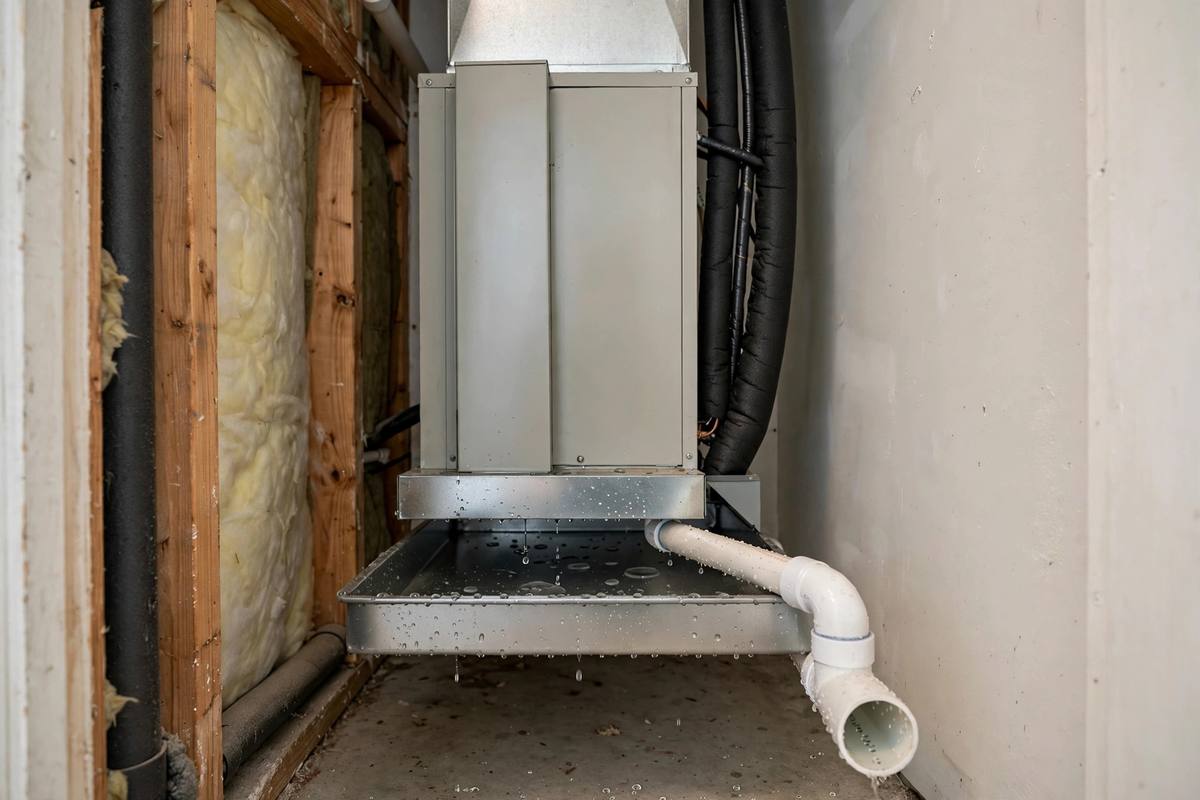
Air conditioning keeps Arizona homes cool, but it also creates condensation on ducts, coils, and vents. Swamp coolers add humidity by design. Monsoon moisture drives into attics and wall cavities through tiny roof and flashing defects. And because desert homes can go years between rains, slow leaks from supply lines, water heaters, and AC drains often run unnoticed for months — exactly the sustained dampness mold needs. By the time anyone notices a musty smell, the colony is well established behind the surface.
Where Black Mold Hides in AZ Homes
Behind and under sinks
Slow supply-line and P-trap drips keep cabinet bases damp. Pull everything out and look (and smell) twice a year.
Inside wall cavities near plumbing
Shower valves, toilet supply lines, and washing machine boxes leak inside walls first. Stains on the opposite side of a plumbing wall are a telltale sign.
Attics and around AC equipment
Condensate overflows, duct condensation, and monsoon roof leaks all feed attic mold on wood sheathing and insulation.
Under flooring after any water event
Mop-ups that only dry the surface leave moisture in the pad and subfloor. If a room ever flooded and was not professionally dried, suspect what is underneath.
Behind wallpaper and wainscoting
Anything that traps moisture against drywall creates a hidden incubator.
What to Do (and Not Do) When You Find It
A small patch on a hard, non-porous surface like tile can often be cleaned by the homeowner with proper protection — gloves, eye protection, and a respirator mask. But do not bleach large areas of drywall and hope for the best: bleach does not reliably kill mold roots in porous materials, and scrubbing can release large numbers of spores into the air. Do not run the HVAC fan while mold is disturbed, since ducts will distribute spores through the house.
Call for professional help when the affected area is larger than a few square feet, when mold keeps coming back after cleaning, when it follows a leak or flood, or when anyone in the home has unexplained musty-odor complaints. Professional mold remediation includes containment, HEPA filtration, removal of contaminated porous materials, and addressing the moisture source — because mold returns wherever water remains. In severe cases, specialized black mold removal protocols ensure the job is done thoroughly and safely.
See how professional water damage help in Apache Junction handles the moisture problems that let mold start in the first place.
Why DIY Mold Removal Often Fails in AZ Homes
The most common DIY mistake is treating the mold while ignoring the moisture. Scrubbing visible growth with bleach may lighten the stain, but bleach does not reliably kill mold roots embedded in porous drywall — and the colony simply regrows from the damp material behind the paint. Painting over mold is even worse: it seals moisture in and hides the problem until the growth forces its way through the new paint or spreads inside the wall cavity.
The second failure point is incomplete containment. Aggressive scrubbing or sanding releases huge numbers of spores into the air, which then settle throughout the home and colonize any other damp spot they find. Without containing the work area and filtering the air, DIY removal often spreads the problem to rooms that were previously clean. That is why professionals set up containment barriers and run HEPA-filtered negative air before disturbing significant growth — and why fixing the leak or condensation source comes before any cleanup begins, not after.
Found suspicious growth? Do not disturb it — call (408) 357-2008. We connect you with local providers for inspection, remediation, and moisture control across the Phoenix metro.