Swamp Cooler Leaks: Prevent Water Damage in AZ Homes
· By Apache Junction Water Damage
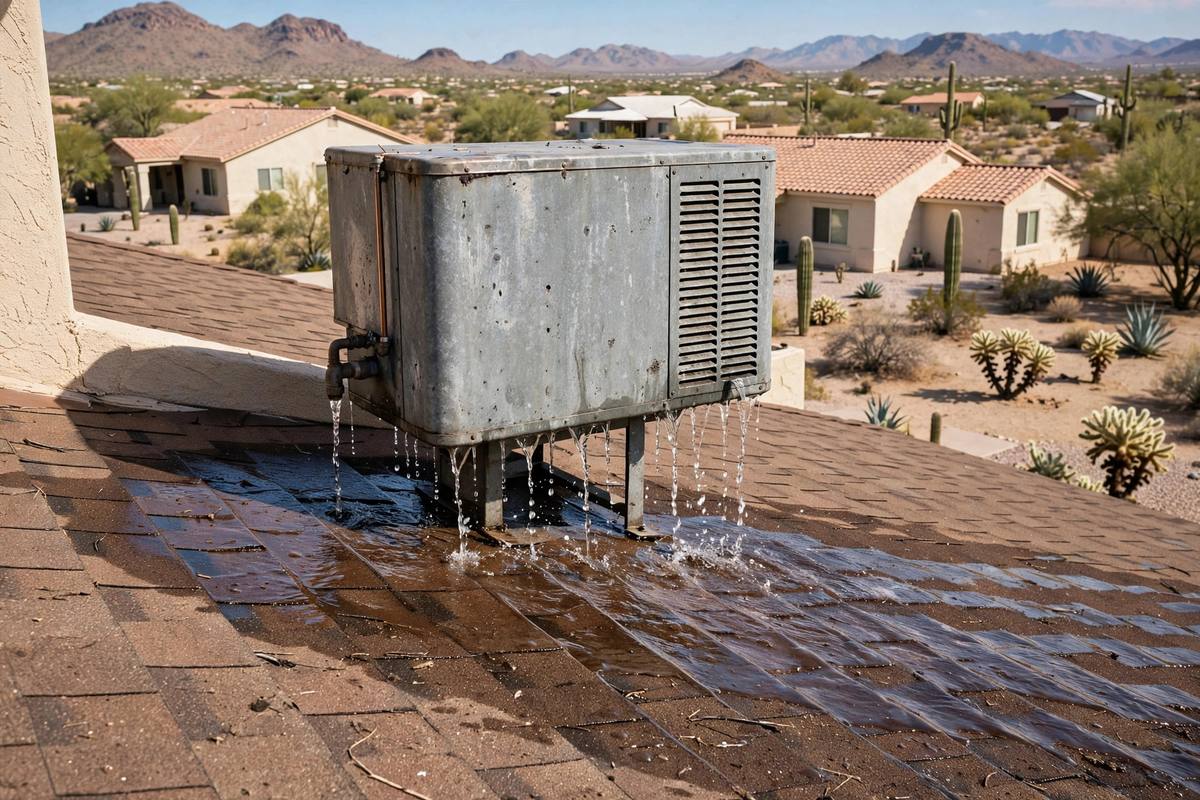
Swamp coolers (evaporative coolers) are everywhere in older Apache Junction and Phoenix neighborhoods. They cool cheaply in dry heat, but they are also plumbed directly to a water supply and sit on your roof or in a window — which makes every failed float, cracked pan, or clogged drain a potential leak straight into your home.
Most cooler leaks are slow and seasonal, which makes them easy to ignore until a ceiling stains or a wall swells. A little seasonal attention prevents nearly all of it.
How Swamp Cooler Leaks Start
Failed float valve
The float controls the water level in the reservoir pan. When it sticks or wears out, water keeps flowing and overflows the pan — often straight down through the roof jack or window opening into the wall below.
Cracked or rusted pan
Years of mineral-heavy water corrode metal pans. A pinhole leak drips constantly during cooling season, soaking roof decking or framing a little more each day.
Clogged bleed-off or drain line
Coolers continuously bleed off mineral-laden water through a small line. When it clogs, water level rises and spills over. Algae and scale are the usual culprits.
Deteriorated pads and distribution tubes
Worn pads and clogged tubes spray water unevenly, throwing it outside the pan or against ductwork where it drips into the attic.
Loose water supply line
The 1/4-inch supply line and its saddle valve vibrate and age. A loose compression fitting can spray a fine mist for weeks before anyone notices the damp patch.
Seasonal Prevention Checklist
At startup each spring: replace the pads, clean the pan thoroughly, and check the float by filling the pan and watching the shutoff level. Inspect the supply line and valve for drips, and confirm the bleed-off line flows freely to its drain point. Mid-season, glance at the unit monthly — mineral crust around fittings and a constantly running supply are early warnings. At shutdown in fall, drain the pan completely, disconnect or shut off the water supply, and cover the unit; standing winter water corrodes pans and breeds mosquitoes.
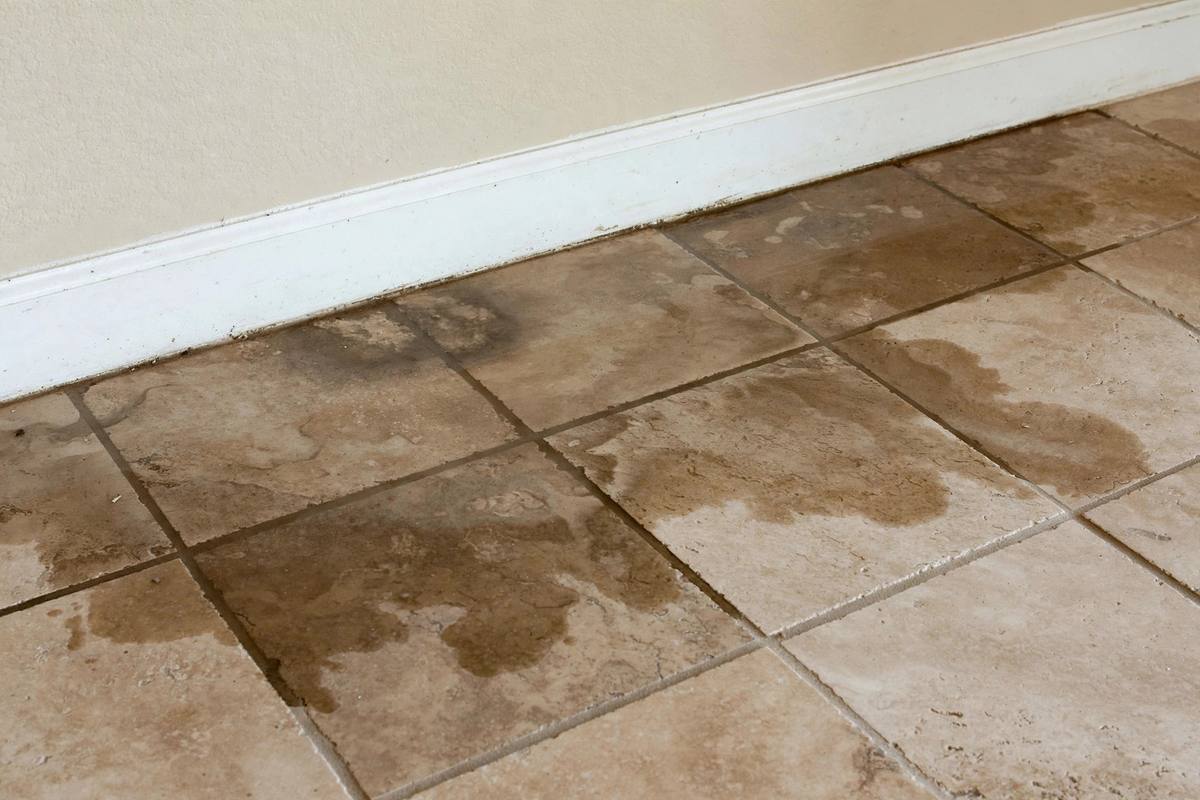
Inside the house, watch the ceiling and walls directly below and around the cooler for new stains, bubbling paint, or musty smells during cooling season. Catching a leak in week one versus month three is the difference between a minor repair and replacing drywall and insulation.
When a Cooler Leak Has Already Done Damage
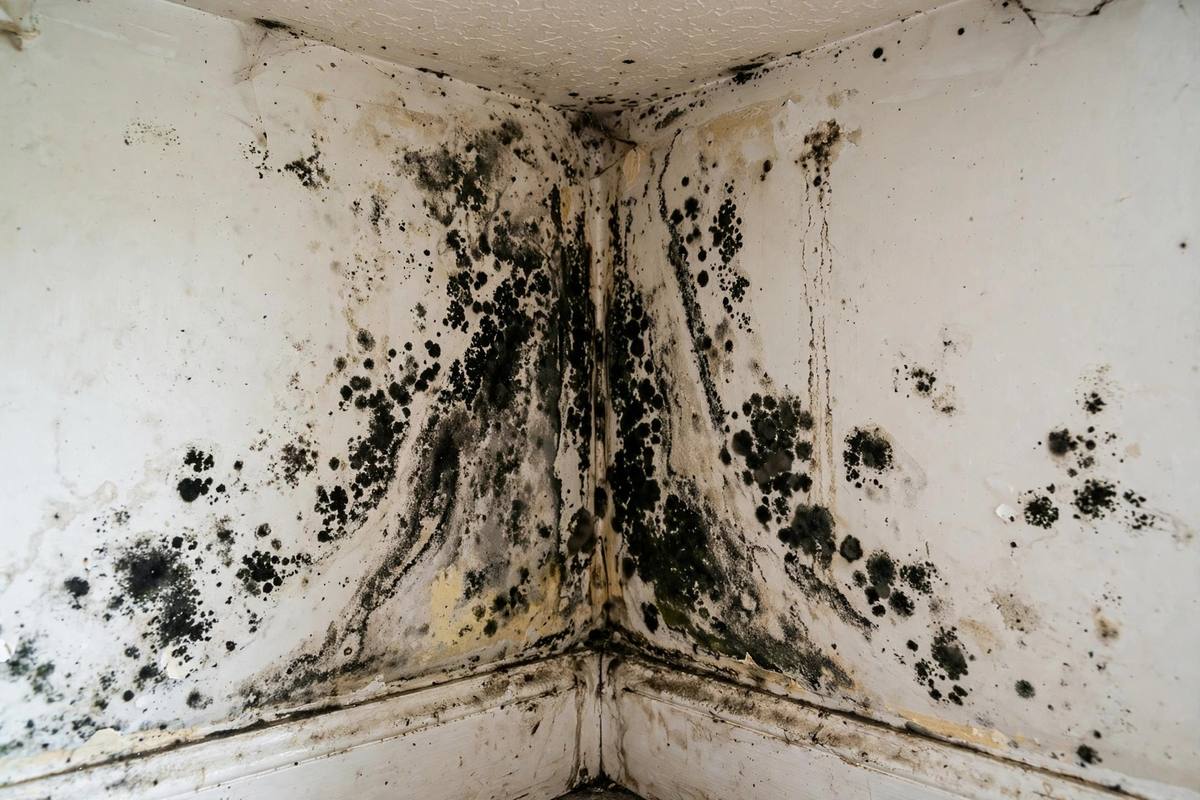
Shut off the water supply to the cooler immediately and let the area dry. Surface drying is not enough — water that ran down a wall cavity or across roof decking needs professional moisture detection to find how far it spread. Our network includes providers of water damage restoration who can map the moisture, perform structural drying services on the affected framing and drywall, and make sure mold does not follow the leak.
For more seasonal guidance, browse our Apache Junction service area resources on keeping desert homes dry.
Considering the Switch to Refrigerated Air
A growing number of Valley homeowners are replacing swamp coolers with refrigerated air conditioning — and leak elimination is one of the quieter reasons. A refrigerated system has no rooftop water reservoir, no float valve, and no bleed-off line; its only water is condensate from the evaporator coil, managed by the drain system. Removing the cooler removes an entire category of roof and wall leak risk.
The tradeoff is operating cost: refrigerated air uses significantly more electricity than evaporative cooling, which matters during a Phoenix summer. But for homes with a history of cooler leaks, stained ceilings, or roof damage around the cooler curb, the math often favors conversion — especially when the roof needs work anyway. If you keep the swamp cooler, treat its water system with the same respect you give your plumbing: inspect it like a pressurized appliance, because that is exactly what it is.
Ceiling stain under your cooler? Do not wait for it to grow — call (408) 357-2008. We connect you with local providers for leak damage assessment and drying across Apache Junction and the Phoenix metro.