Dehumidifier Rental vs Pro Service in Phoenix
· By Apache Junction Water Damage
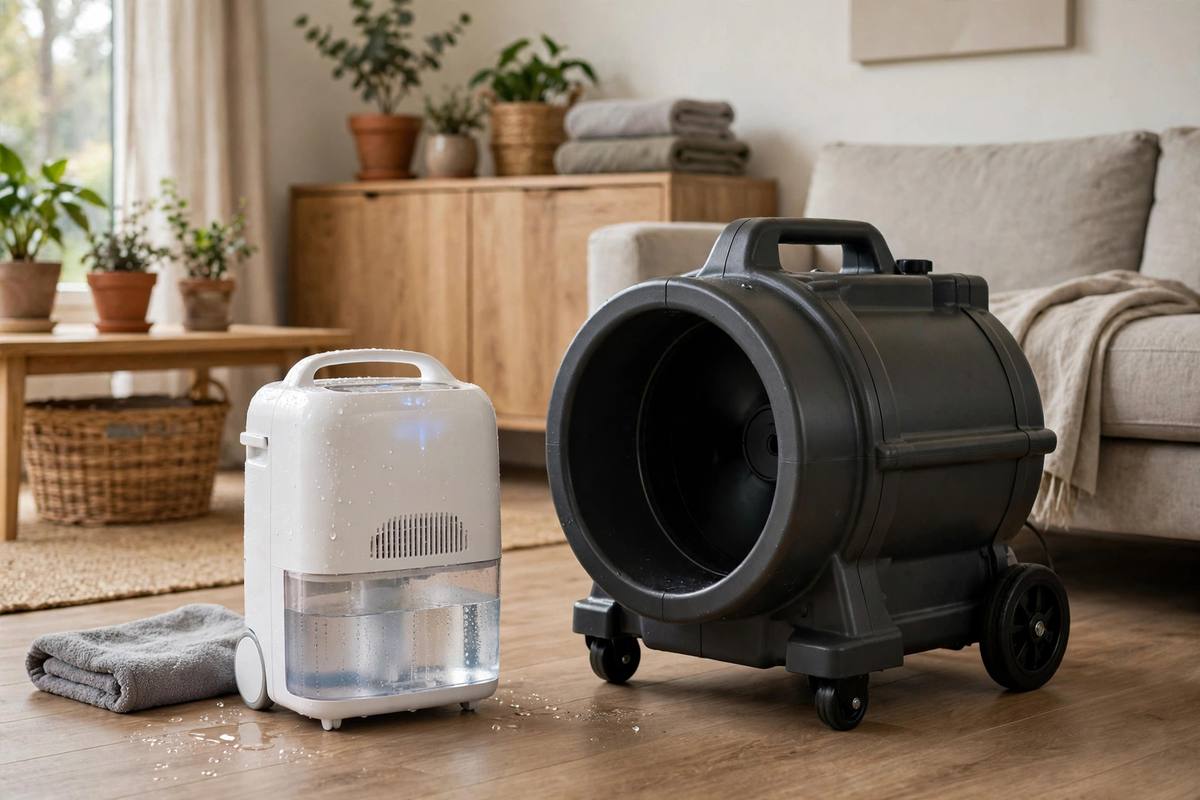
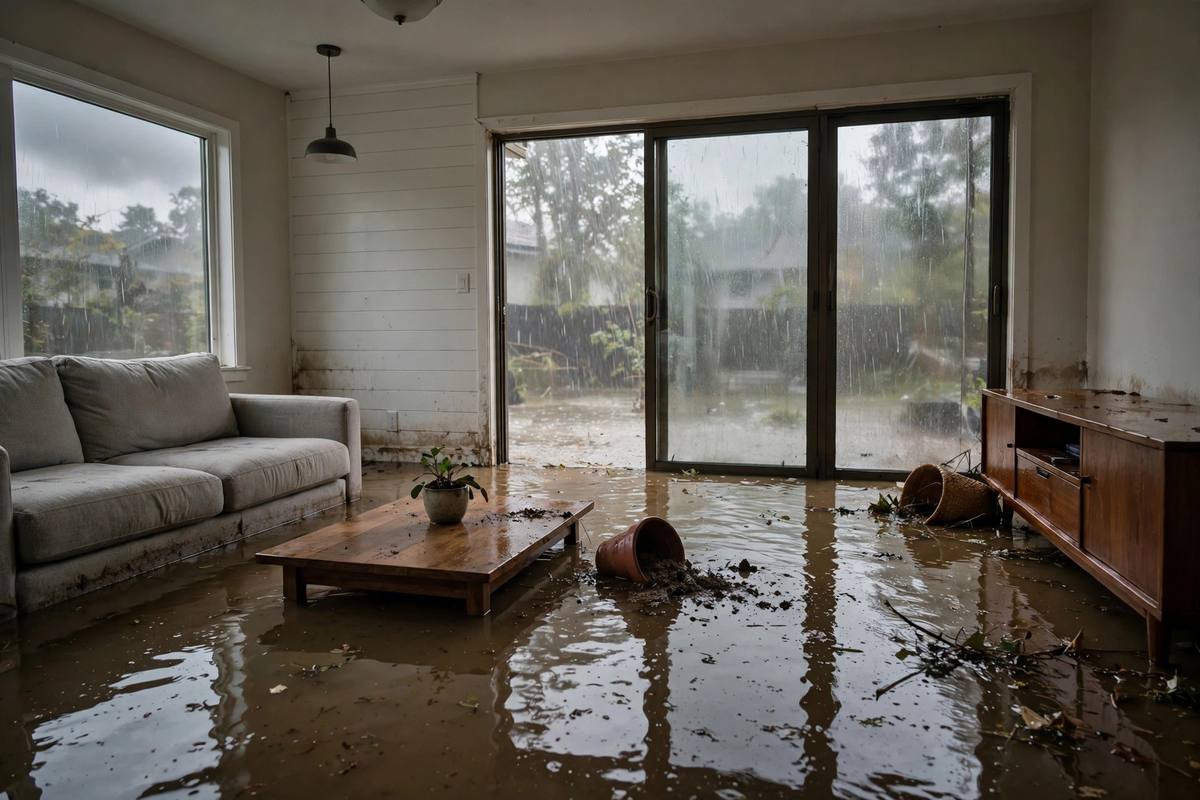
After a leak or flood, many Phoenix homeowners head to the hardware store to rent a dehumidifier, figuring they can dry things out themselves for a fraction of professional cost. Sometimes that works fine. Often, though, the rental runs for a week, the homeowner declares victory when surfaces feel dry — and mold blooms inside the walls a month later.
Here is an honest look at where DIY drying succeeds, where it fails, and what you are actually paying for with professional service.
When a Rental Dehumidifier Is Enough
DIY drying can work for small, clean-water incidents caught immediately: a minor overflow mopped up within the hour, a small spill on tile with no wall or cabinet involvement, or dampness confined to easily accessible hard surfaces. If the water never reached porous materials — drywall, carpet pad, insulation, wood framing — a rental unit plus good airflow for a few days may genuinely suffice. The key conditions are small area, clean water, fast response, and no hidden cavities involved.
Where DIY Drying Falls Short
No way to measure hidden moisture
Rental stores do not rent calibrated moisture meters with the unit, so you are judging dryness by touch and sight. But drywall can feel dry while the inside of the wall is still wet — touch tells you nothing about what matters.
Underpowered equipment
Consumer and light-commercial rental units move far less air and remove far less moisture per day than professional LGR dehumidifiers. A job that takes pros two days can take a rental two weeks — and mold does not wait.
No directed airflow system
Pros use calculated air mover placement to drive air into wall cavities, under cabinets, and across subfloors. A dehumidifier humming in the middle of a room dries the room's air while the wall cavity behind the baseboard stays wet.
Contamination is ignored
DIY drying does nothing about gray or black water contamination. Drying sewage-soaked materials without proper antimicrobial treatment and removal just preserves the hazard.
What Professional Service Actually Includes
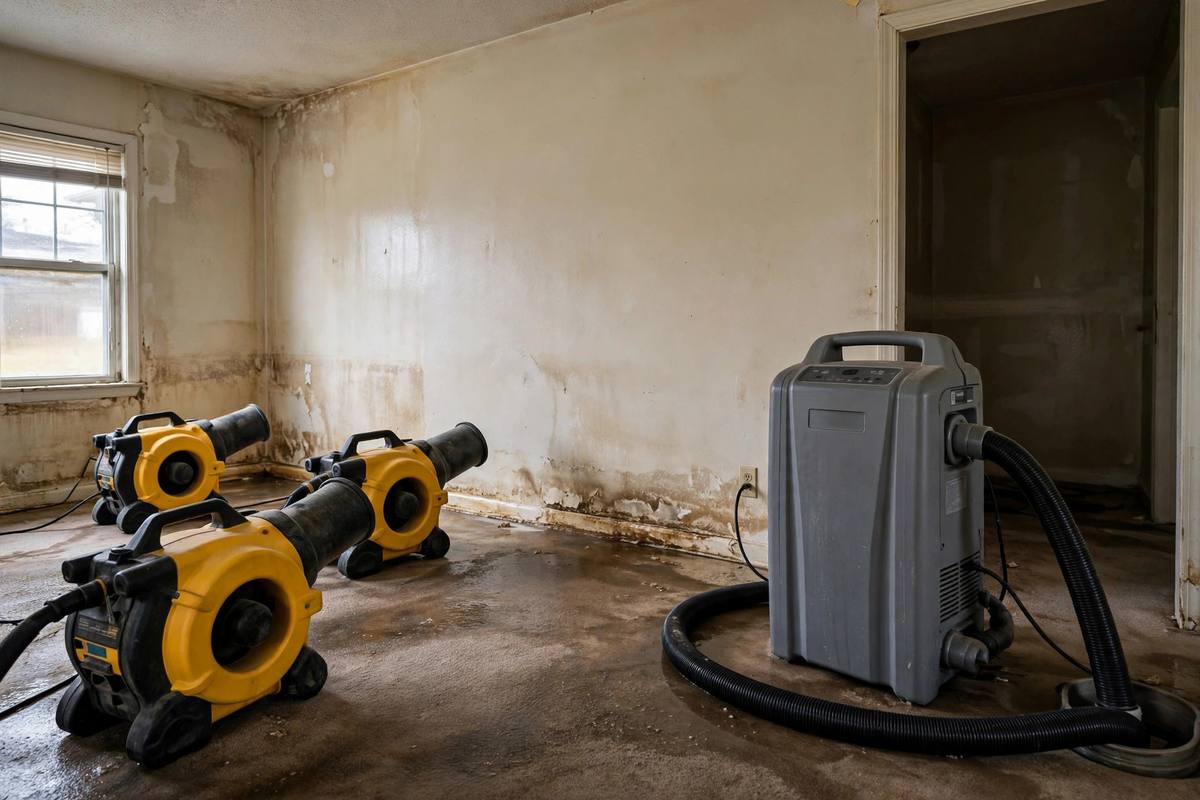
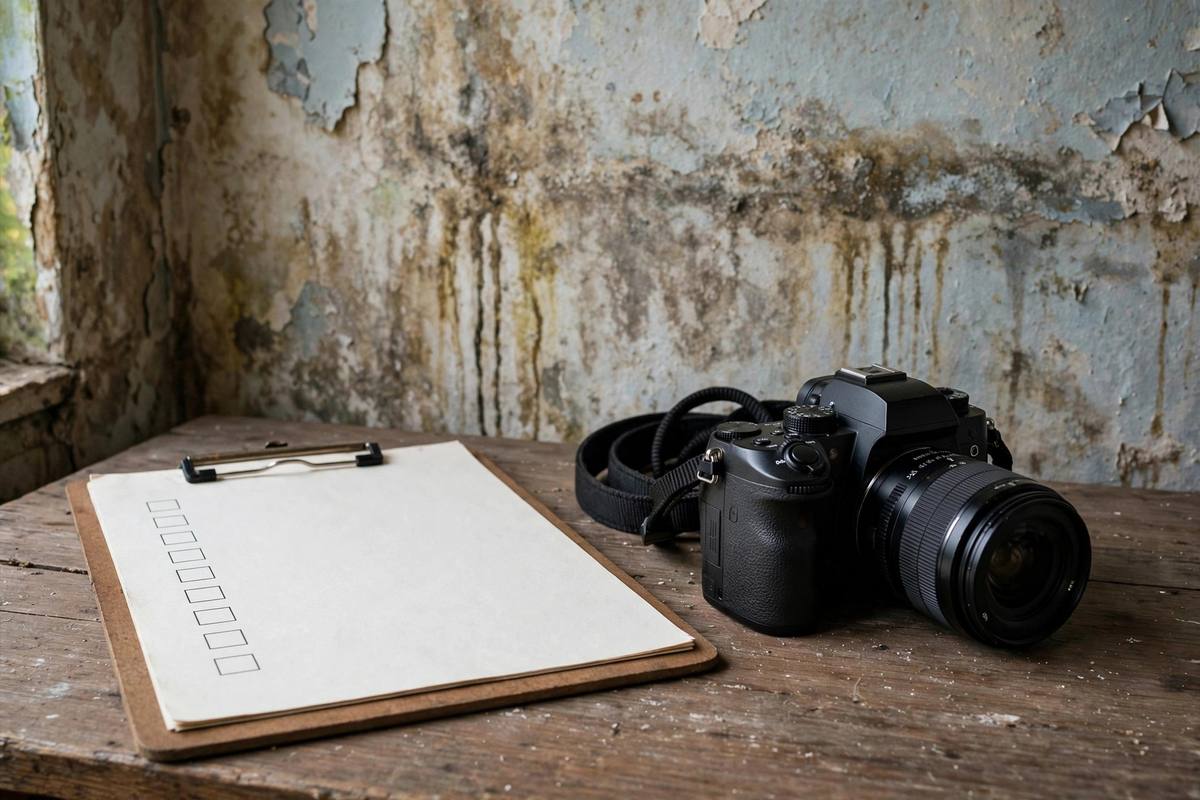
Beyond bigger machines, professional structural drying services include moisture mapping to find all wet areas, a engineered drying plan, daily monitoring with meter readings, HEPA air filtration during the work, antimicrobial treatment where needed, and documented dry-standard verification at the end. That documentation also supports insurance claims — a rental receipt does not prove anything was dried properly.
The Cost Question, Answered Honestly
A rental looks cheaper until you count the real costs: a week or more of rental fees, your electricity running it nonstop, your time monitoring it — and the risk of incomplete drying that leads to mold remediation later. Professional drying done right the first time is often the cheaper total outcome, especially when insurance is covering the loss. For small clean-water spills, DIY is reasonable. For anything involving walls, flooring, cabinets, or contamination, professional water damage restoration is the safer bet.
Get an honest assessment from local water damage experts before you decide.
Questions to Ask Before You Rent
If you decide DIY drying is appropriate for your situation, ask the rental counter the right questions. What is the unit's rated moisture removal per day, and is it sized for your square footage and saturation level? An undersized unit running for two weeks dries less effectively than a properly sized one running for three days. How will you monitor progress — and can you rent or buy a moisture meter alongside the unit so you are measuring rather than guessing?
Also ask about drainage: most rental units need their collection bucket emptied frequently or a hose run to a drain, and a full bucket that shuts the unit off overnight wastes precious drying time. Finally, be honest about the contamination question — if there is any chance the water was gray or black, no rental dehumidifier makes the situation safe. Drying without proper sanitization just preserves the hazard in a drier package.
Not sure DIY drying is enough? Call (408) 357-2008 for a professional moisture check. We connect you with local providers across Apache Junction and Phoenix.