HOA Water Damage Responsibility in Arizona
· By Apache Junction Water Damage

Water does not respect property lines — especially in condos, townhomes, and planned communities where units share walls, plumbing runs through common areas, and roofs belong to the association. When water damages your unit, the first question is rarely "how do we fix it" but "who pays for it": you, your neighbor, or the HOA?
The answer depends on your community's governing documents — but Arizona HOAs follow some common patterns worth understanding before you need them. (This is general information, not legal advice.)
The Typical Division of Responsibility
The HOA usually covers…
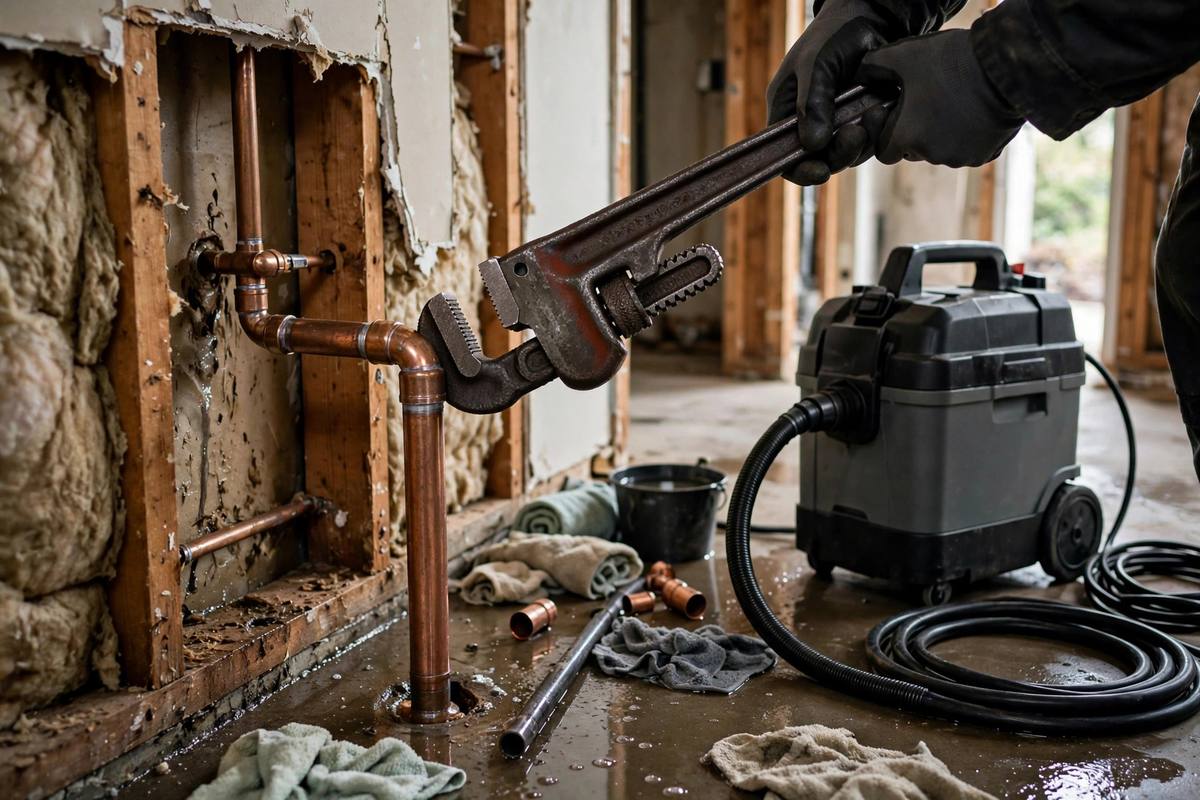
Common elements: roofs, exterior walls, shared plumbing mains, common-area water heaters, and building exteriors. If a roof leak damages your ceiling, or a common-area pipe bursts inside a shared wall, the HOA's master policy typically covers the building repair — though not necessarily your personal belongings or interior finishes.
You usually cover…
Everything inside your unit's interior: your appliances and their supply lines, fixtures, interior finishes, flooring, personal belongings, and damage from leaks that originated within your unit. Your HO-6 (condo) or homeowners policy covers these — which is why carrying your own policy matters even when the HOA has a master policy.
The gray zone
Shared walls with plumbing, water that travels from a neighbor's unit into yours, and slow leaks of uncertain origin are where disputes live. Your CC&Rs (Covenants, Conditions & Restrictions) define the exact boundary — often using concepts like "studs-in" (you own inward from the wall studs) or "all-in" coverage. Read yours before there is a problem.
What to Do When Water Damage Hits
Document everything immediately
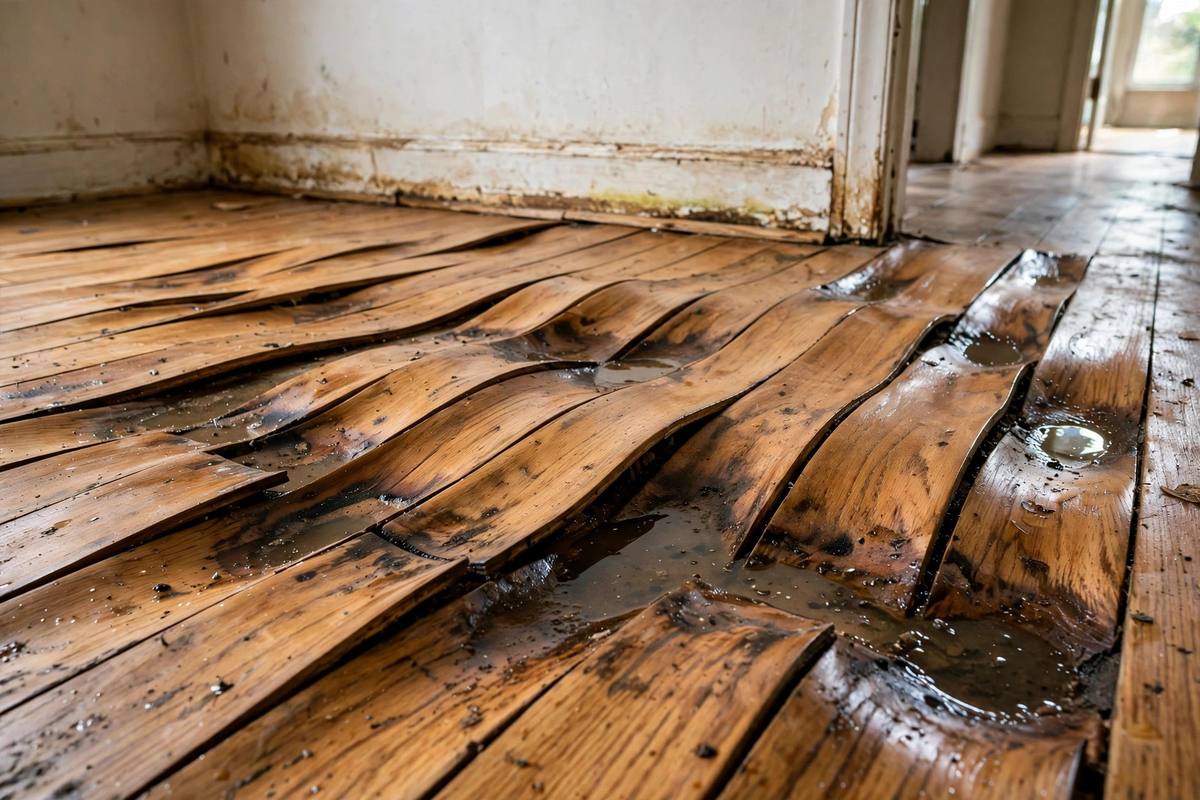
Photograph the damage, the apparent source, and any common-area involvement before anything is moved or repaired. This evidence determines whose responsibility it is.
Notify the HOA in writing
Report the incident to the HOA or property manager promptly and in writing — email counts. Delayed notification gives everyone room to dispute the timeline.
Mitigate regardless of fault
Do not wait for the responsibility debate to conclude before drying. Mold does not care whose pipe leaked. Mitigate first, sort out payment second — and keep every receipt.
File with the right carrier
Your insurer and the HOA's carrier will sort out subrogation between themselves. Provide both with your documentation and let the policies do their work.
Preventing HOA Water Disputes
Know your CC&Rs' maintenance boundaries before an emergency. Maintain what is yours — appliance hoses, water heater, interior plumbing — on a schedule, since negligence can shift liability to you even for shared-wall damage. Carry adequate HO-6 coverage including loss assessment protection, which covers special assessments the HOA may levy for shared repairs. And build a working relationship with your property manager; cooperative communication resolves most water incidents without lawyers.
Getting the Damage Fixed
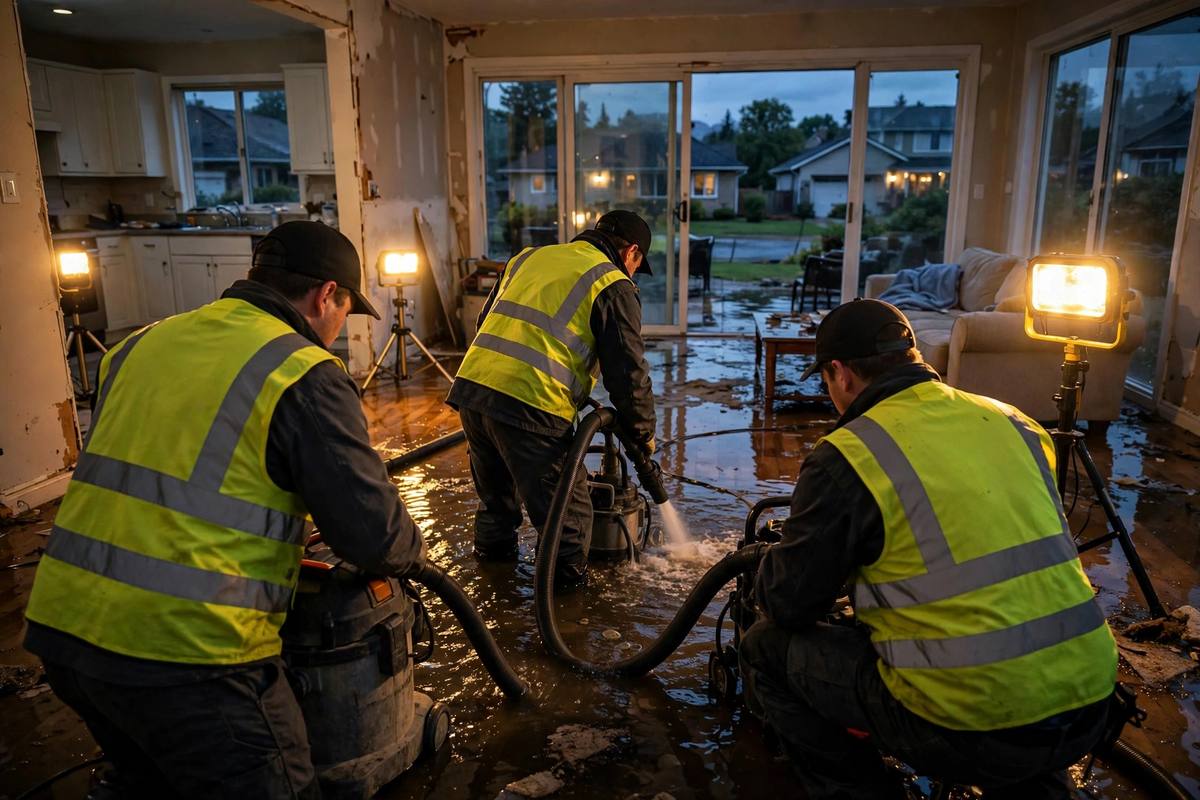
Regardless of who pays, the physical work is the same: extract the water, dry the structure to verified standards, remove unsalvageable materials, and repair finishes. Our network's water damage restoration providers document everything thoroughly — moisture readings, photos, drying logs — which helps whichever insurance carrier is involved. For contaminated scenarios, sewage backup cleanup protocols keep shared buildings safe.
Guidance for every housing type from professional water damage help in Apache Junction.
Renters in HOA Communities
Renters face a three-way version of the responsibility puzzle: tenant, landlord, and HOA. Generally, the landlord (as the unit owner) handles structural repairs and fixture issues, the HOA covers common elements per the CC&Rs, and the renter is responsible for their own belongings and any damage their negligence caused — like an overflowing tub they left running. Renters insurance (an HO-4 policy) is the renter's essential protection, covering personal property and additional living expenses if the unit becomes uninhabitable.
If you rent in an HOA community, report water issues to your landlord immediately and in writing — delayed reporting can shift liability toward you. Document damage just as a homeowner would, and do not assume the landlord's or HOA's insurance covers your belongings; it does not. Fast reporting plus your own renters policy keeps a water incident from becoming a financial one.
Water damage in your HOA community? Mitigate first, then call (408) 357-2008. We connect you with local providers experienced in multi-unit drying and documentation across the Phoenix metro.